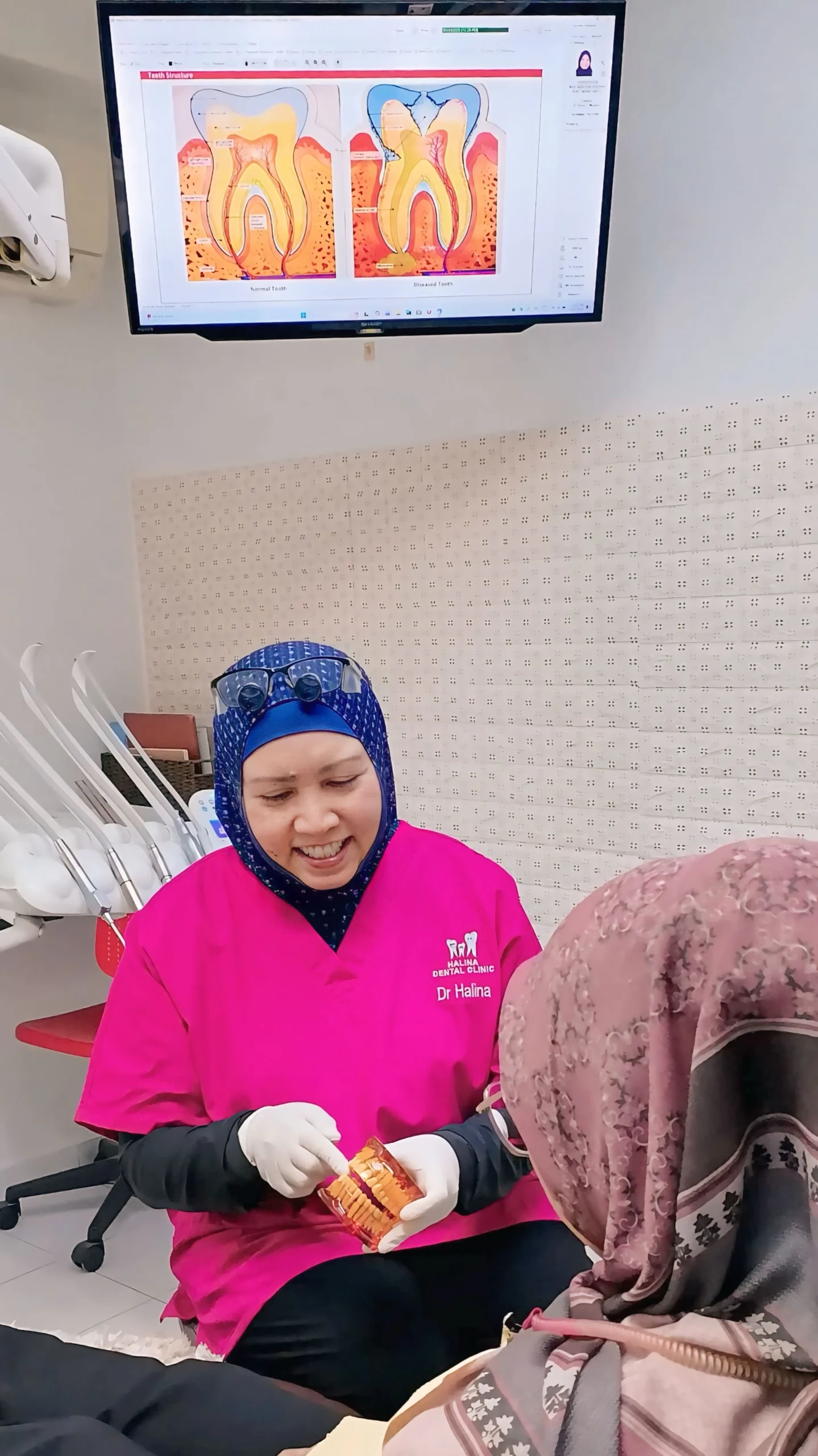

Cavities are one of the most common dental issues people face, and if left untreated, they can lead to pain, infections, and even tooth loss. Fortunately, restorative dentistry offers a wide range of solutions to quickly and effectively address cavities, restoring your teeth to their original strength and appearance. Whether it’s a minor filling or more complex procedures, restorative dentistry can help prevent further damage and ensure your smile stays healthy.
In this article, we’ll explore what restorative dentistry involves, how it can fix cavities, and the different treatment options available. If you’re dealing with cavities or suspect you may have one, understanding the benefits of restorative dental care is essential to maintaining long-term oral health.
Types of Restorative Dentistry Treatments for Cavities
Restorative dentistry includes various treatments designed to restore damaged or decayed teeth, from simple fillings to more complex procedures. Depending on the extent of the cavity, your dentist in Bangsar will recommend the most suitable treatment to repair the damage and prevent further issues.
- Dental Fillings
Fillings are one of the most common and simplest treatments for cavities. They involve removing the decayed portion of the tooth and filling it with a durable material, such as composite resin, amalgam, or porcelain. Dental fillings are ideal for treating minor to moderate cavities that haven’t reached the tooth’s root. Composite fillings are often chosen for their ability to blend with the natural color of your teeth, making them a popular choice for visible areas. For more information on restorative care services, visit our page to find out how we can treat cavities effectively. - Crowns
When a cavity is large and has weakened the structure of the tooth, a crown may be necessary to restore its strength and function. A crown is a cap that covers the entire tooth, providing a durable solution for severe cavities or damaged teeth. Crowns are typically made from porcelain, metal, or a combination of both, depending on the tooth’s location and the amount of damage. If you’re considering a crown for a cavity, we can help you choose the best material based on your needs. - Root Canals
In cases where the cavity has reached the tooth’s pulp (the soft tissue inside the tooth), a root canal may be required. A root canal involves removing the infected tissue, cleaning the inside of the tooth, and filling it with a biocompatible material. This procedure saves the tooth from extraction and prevents the infection from spreading. If you’re dealing with severe tooth pain or infection, root canal therapy could be the solution to save your tooth. - Inlays and Onlays
For cavities that are too large for a filling but not severe enough to require a crown, inlays and onlays may be a great option. These custom-made restorations fit into the cavity and are often used for teeth that experience moderate wear and tear. Inlays are used for cavities that don’t extend to the cusps of the tooth, while onlays are used when the cavity affects the cusps. These restorations are often made from porcelain or composite resin, providing a natural-looking solution. For more details on these procedures, explore our restorative care services.
Benefits of Restorative Dentistry for Cavities
Restorative dentistry not only helps to repair cavities but also offers a range of benefits that contribute to better oral health, improved functionality, and a more attractive smile. Whether you’re seeking a simple filling or a more complex procedure, restorative dentistry provides essential solutions for preserving your teeth and enhancing your overall dental well-being.
- Preservation of Tooth Structure
One of the main benefits of restorative dentistry is its ability to preserve as much of the natural tooth as possible. For example, a filling removes the decayed portion of the tooth and restores its function without compromising its overall structure. In cases where the tooth is more severely damaged, crowns or root canals can help save the tooth from extraction, allowing it to remain functional for years to come. - Prevention of Further Decay and Infection
By addressing cavities early with treatments like fillings or crowns, restorative dentistry prevents the spread of decay to surrounding healthy tissue. Untreated cavities can lead to infection, abscesses, and other dental issues that may require more invasive treatments. Early intervention through restorative care can save you from more complex and costly procedures down the road. - Improved Functionality
Restorative dentistry not only restores the tooth’s appearance but also its function. Cavities that are left untreated can interfere with chewing, speaking, and even cause discomfort. Fillings and crowns help restore proper tooth function, allowing you to enjoy eating and speaking without pain or difficulty. - Aesthetically Pleasing Results
Aesthetic considerations play a significant role in restorative dentistry. Composite fillings, for example, are designed to match the color of your natural teeth, making them ideal for visible areas of the mouth. For more extensive repairs, porcelain crowns can be made to look like natural teeth, blending seamlessly with your smile. - Long-Term Durability and Comfort
Restorative treatments, such as crowns and fillings, are durable and can last for many years with proper care. Modern materials used in restorative dentistry, like porcelain and composite resins, are not only durable but also offer a comfortable fit. These materials mimic the natural structure of your teeth, providing a long-lasting solution that feels natural. For more details on long-lasting restorative options, consider scheduling a consultation through our restorative care services.
Maintaining the Results of Restorative Dentistry
Once you’ve had a cavity treated through restorative dentistry, it’s essential to maintain the results to ensure long-term oral health. Proper care can help your fillings, crowns, and other restorations last for many years and prevent further decay or complications. Here are some tips to keep your smile healthy and preserve your restorative treatments:
- Practice Good Oral Hygiene
The foundation of maintaining your dental restorations is a consistent and thorough oral hygiene routine. Brushing twice a day with fluoride toothpaste, flossing daily, and using an antibacterial mouthwash can help prevent plaque buildup and protect both natural teeth and restorations. Regular cleaning helps prevent further cavities and gum disease, which can compromise restorative work. For guidance on proper techniques, visit our preventive care services for tips and personalized recommendations. - Avoid Hard Foods
While crowns and fillings are durable, they can be damaged by extremely hard foods, such as ice, hard candies, or nuts. It’s important to avoid biting down on very hard substances to protect your restorations from cracking or loosening. If you’re unsure about which foods are safe for your restorations, ask your dentist in Bangsar for recommendations on how to protect your fillings and crowns. - Regular Dental Checkups
Even after restorative treatments, it’s crucial to keep up with regular dental checkups to ensure your restorations are in good condition. During these visits, your dentist can examine your fillings and crowns for any signs of wear or damage. Early detection of any issues can prevent more costly treatments down the line. Schedule your next appointment through our restorative care services to maintain your oral health and protect your restorations. - Avoid Teeth Grinding
Teeth grinding, or bruxism, can cause significant damage to both natural teeth and dental restorations. If you grind your teeth, especially during sleep, it’s important to seek treatment to prevent wear and tear on your fillings and crowns. A custom nightguard can help protect your teeth from the damaging effects of grinding. For more information on managing bruxism, consult with us at Halina Dental Clinic. - Eat a Balanced Diet
A well-balanced diet rich in vitamins and minerals helps maintain strong teeth and gums, which in turn supports the longevity of your restorations. Limiting sugary foods and beverages is crucial to prevent further cavities and decay. For guidance on how diet impacts your dental health, explore our restorative care services for more tips on maintaining optimal oral health.
FAQ
What is the difference between a filling and a crown for a cavity?
Fillings are typically used for minor cavities, where the decay is limited to the surface of the tooth. They restore the shape and function of the tooth by filling in the cavity. Crowns, on the other hand, are used for larger cavities or when the tooth is severely weakened. A crown covers the entire tooth, providing more protection. If you’re unsure which option is right for your cavity, our restorative care services can help guide your decision.
How long do dental fillings and crowns last?
Fillings can last anywhere from 5 to 15 years, depending on the material used and your oral habits. Crowns typically last 10-15 years or longer, especially if made from durable materials like porcelain or metal. Regular dental checkups are essential to ensure the longevity of these restorations.
Do I need a crown if I have a large cavity?
For large cavities that have weakened the tooth structure or affected the tooth’s root, a crown is often recommended. Crowns provide additional support and protection for the tooth, preventing further damage.
Can cavities be prevented with restorative dentistry?
While restorative dentistry treats existing cavities, preventive care is key to avoiding them in the first place. Regular brushing, flossing, and dental checkups can help detect cavities early, allowing for quicker, less invasive treatments.
How soon should I get a cavity treated?
It’s important to treat a cavity as soon as possible to prevent it from getting worse. If left untreated, cavities can lead to tooth infection, pain, or even tooth loss. The earlier a cavity is treated, the less invasive and more affordable the treatment will be.
Restorative dentistry provides effective solutions for repairing cavities, ensuring your teeth are strong, functional, and aesthetically pleasing. Whether it’s through fillings, crowns, or other restorative treatments, timely intervention can help prevent further damage and maintain your smile for years to come. By practicing good oral hygiene and attending regular dental checkups, you can maximize the longevity of your treatments and protect your teeth from additional decay.
If you’re dealing with cavities or suspect you may have one, don’t wait to schedule an appointment with a dentist in Bangsar today. Our team is dedicated to providing the best restorative care, tailored to your needs. Contact us now to book your consultation and get the dental care you deserve.